Blegh, conflating way too many disparate elements and mystifying wholesome past bread as magical
Actually, making more shelf stable foods is good. Genetic modifications that produce robust and efficient crops are good. Fucking wonderbread and the like springing from capitalist ‘efficiency’ are problematic but that doesn’t mean all the machines and techniques involved in getting there are evil.
also “your great grandfather’s gut” yeah my great grandfathers gut had fucking sawdust in it and was getting diseased from unenriched flours, talking about enriched flour as if its some devious plot and not a lifesaving correction from industrial methods that massively increased production at the expense of nutrition is ass-backwards.
Kind of has a RETVRN vibe to it. shelf-stable foods aren’t a force of unspeakable industrial evil. And there are plenty of advocates for traditional food ways (famously Joel Salatin) who are full blown reactionaries.
sounds like new-age hippie bullshit, ooooh the bread has chemicals in it scary!!
There’s a crazy amount of overlap between the crunchy granola hippies and the RETVRN Fascists these days though.
pissed me off enough i went and got the ingredients list of the cheap shitty bread i buy. literally 74p from tesco

ItS nOt BrEaD! iTs A sCieNcE eXpErImEnT!!!111
NaCL: This ONE dangerous chemical is in ALL your food but will DESTROY your HEART
It’s a weird video. Sometimes he cites a source and explains the process and thinking behind it. Sometimes he just says “Wheat with fewer chromosomes is more better”. Like. OK, there’s a difference between the modern GMO plant’s gluten protein and the heirloom varietal’s gluten, sure. But the number of chromosomes isn’t really the deciding factor here. It just sounds nicer to point to a clear numerical distinction, even if its not really relevant. It’s sloppy documentary work.
ChatGPT ‘assisted’ research, I bet. Plenty of slop images in the video, no reason to believe they stopped there
Only tangentially related but, after watching a documentary yesterday on a mommy vlogger adopting a kid for the views and reading about the free birth movement, I think platforms need to be held liable for the shit that they profit from spreading.
Like if your wife gets brainwormed into giving birth in the woods with no doctors and no ultrasounds you should be able to sue YouTube for damages. Although now you have all these pseudoscientific cranks going on MSM so maybe it just doesn’t fucking matter.
Dark ages ass country

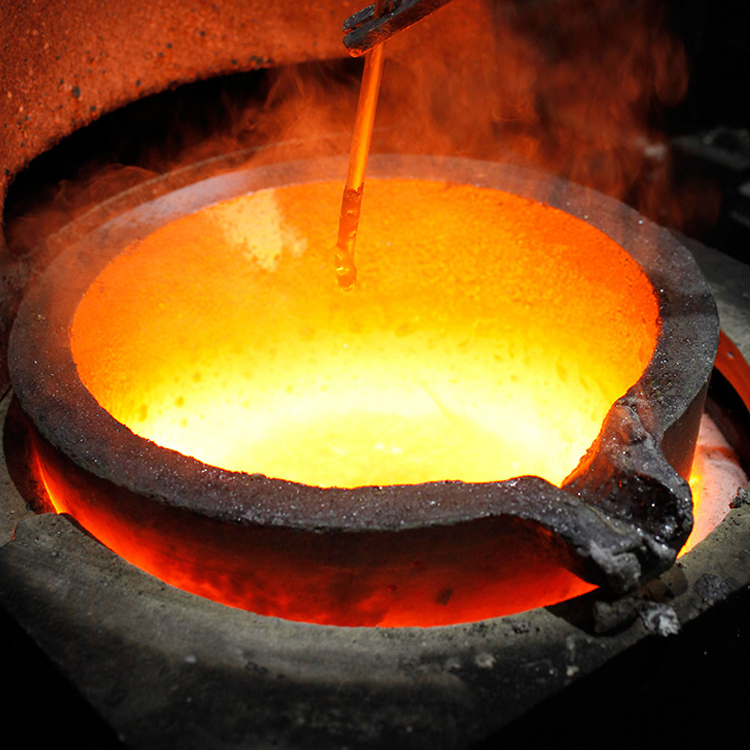
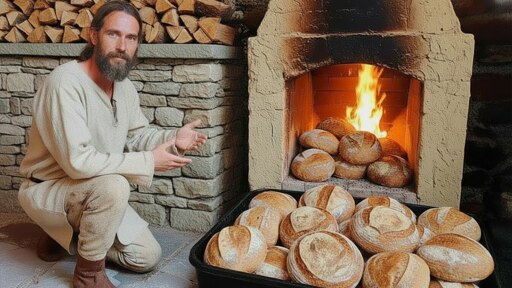
Both videos I saw posted from this channel use AI cover images that make no sense.
Got to admire the cognitive dissonance of using AI slop to make videos about the superiority of methods from 400+ years ago.
Nope. This is nonsense peddled by a charlatan.
Bullshit
I didn’t watch the video, was that the secret ingredient in medieval bread?
this doesn’t pass the sniff test, gonna close this. if OP wants to dm me and explain why it should stay open, they may.
god I hate that this slideshow has actual historical art shown alongside AI generated shit
Please do not spread misinformation like this.
Did the ergot make it a superfood?
No
Medieval bread also really commonly and frequently caused bread poisoning, and mercury poisoning from bread treated with mercury was common as well.
If you don’t want to watch a crummy slideshow-documentary that pads the runtime repeating itself:
Industrial bread differs from pre-industrial bread in the following key ways:
- Refined Grains instead of Whole Grains
Grain is a plant seed. It has an outer casing (bran, ~%5 by weight) a “seed-embryo” (germ, ~%15 by weight) and store of nutrients to feed the germ through its initial sprouting (endosperm, ~%80 by weight). In most industrial breads, the bran and germ are removed. This improves the shelf-life of any bread you make from it… but it only lasts longer because it now lacks the gem’s nutrients and the bran’s fiber.
- Grinding hot and fast, rather than cool and slow
This one is pretty self explanatory. Grinding hot and fast breaks down oils and stuff in the wheat, further reducing the nutritional content of the resulting bread so that it can be produced faster. Older milling techniques also produce larger, less consistently ground flour, leaving more nutrients.
- Skipping Fermentation
After you mix the dough, it is left to rise. Sometimes for hours. Sometimes for days. I feel like if you know anything about baking bread, you know this step. It’s the fermentation process. Yeast slowly eats the bread, digesting and transforming it into different nutrients that we have an easier time digesting ourselves. In the same way you cannot fully understand a plant without including the soil it grows in, the microbes and fungi that surround it; the human body does not end at the topmost dermal layer. We are just as inexorably dependent on the microbial world, both within and without our bodies. Digestion begins long, long before the secretion of saliva and the gnashing of teeth .
Industrial bread skips this step. It improves shelf-life and speeds up production.
- GMO varietals rather than EMO varietals
Genetically engineered strains of wheat TEND TO select for the highest possible yield of grain for the least land and resources. Wheat that has evolved in conjunction with human agriculture often but not always has a wider nutritional spread, but lower crop yields. Specific species will have specific qualities, GMO or otherwise. You
CANNOTjust sayall GMO is X, all heirlooms are Y. With that disclaimer, it sounds like the high yield GMO plants most frequently used in industrial bread have gluten that is structurally different (more complex? bigger I guess?) to heirloom varietals. It’s harder to digest, but is what lets the bread remain soft for significantly longer.This channel is sus af.
I found a YouTube link in your post. Here are links to the same video on alternative frontends that protect your privacy: